

Triple-Print Showdown: Screen Print vs. DTG vs. Embroidery on 300gsm Heavy Cotton—The Full 50-Wash Durability Test
For brand owners, streetwear creators, team managers, and anyone who invests in custom heavyweight apparel, a print’s longevity isn’t just a detail—it’s the line between a coveted staple and a disposable novelty. A premium 300gsm heavy cotton long-sleeve tee brings structure, weight, and a luxury feel that elevates any design, but all that quality goes to waste if the graphic cracks, fades, or peels after just a few cycles in the washing machine.
To cut through the marketing buzz and give you actionable, real-world insight, we put three industry-leading decoration techniques head-to-head: silk screen printing, direct-to-garment (DTG) printing, and embroidery. We subjected identically designed samples to 50 standardized wash and dry cycles, tracking texture, color retention, surface integrity, and overall appearance. The goal? Reveal which method truly stands up to long-term wear and remains crack-free on one of the most popular heavyweight fabrics in contemporary fashion.
What Makes 300gsm Heavy Cotton Unique for Printing?
Before diving into test results, it’s critical to understand why this fabric behaves differently from standard lightweight tees. At 300 grams per square meter, the material features a dense, tight weave with moderate rigidity, creating both opportunities and hurdles for any print or stitch application:
- Strengths: The stable base reduces stretching that commonly causes ink cracking, while the thickness nearly eliminates ink bleed-through to the reverse side.
- Challenges: Thick yarns can absorb thin inks unevenly, leading to faded or patchy results. Adhesion and penetration also require more precise processing to ensure long-term bonding.
Every test sample used the same blank tee, design layout, and care routine—cold-water gentle wash, low-heat tumble dry, no bleach or fabric softeners—so the only variable was the decoration method itself.
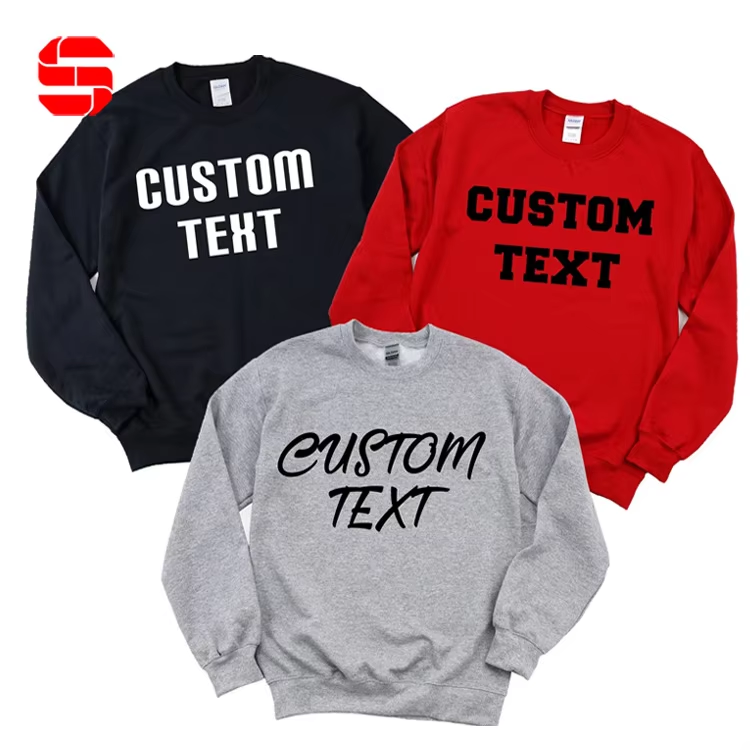
Contender 1: Silk Screen Printing – The Time-Tested Workhorse
Silk screen printing has long been the backbone of custom apparel production, relying on stenciled screens to deposit layered, cured ink onto fabric. It’s praised for bold color output and durability, but how did it perform under our extended testing?
50-Wash Performance
When produced with high-opacity pigment ink and fully cured at factory temperatures, screen printing delivered exceptional resilience on 300gsm cotton. The ink forms a robust, flexible layer that bonds with the outer fibers rather than sitting loosely on the surface. After 50 washes, we observed only minor fine cracking in large, solid graphic blocks—areas subjected to repeated flex during movement. Color vibrancy remained consistent across both light and dark base tees, with no significant fading or bleeding. The print retained sharp edges and readability, even along high-tension zones like the shoulder and sleeve seams.
Key Advantages
- Outstanding crack resistance under regular wear conditions
- Opaque coverage ideal for dark heavyweight garments
- Excellent cost efficiency for bulk orders (50+ units)
- Quick processing once screens are prepared
Limitations
- Each color demands a separate screen, driving up costs for multi-color, gradient-heavy designs
- Initial ink layer has a slightly stiff hand feel, which softens only after several washes
- Economically unviable for small-batch or one-off custom orders
Contender 2: DTG (Direct-to-Garment) Printing – The Digital Precision Specialist
DTG operates like a large-format inkjet printer, depositing water-based ink directly into fabric fibers for ultra-fine detail. It has revolutionized personalized apparel, especially for photorealistic and complex graphics, but its performance on dense heavy cotton has been consistently debated.
50-Wash Performance
Results were heavily dependent on pre-treatment application. Samples with proper chemical priming showed manageable, minimal cracking across the design, though bright hues such as red and yellow exhibited mild fading compared to screen-printed equivalents. Small text below 12pt lost slight sharpness, and edges along stretched areas appeared marginally softened. Samples with insufficient pre-treatment experienced edge lifting and flaking, particularly around the sleeve and chest. Unlike screen ink, DTG ink integrates into the fabric structure, maintaining a soft, unnoticeable hand feel throughout testing.
Key Advantages
- Unmatched precision for photos, fine lines, gradients, and complex illustrations
- No plate or screen setup costs, making it perfect for small orders and personalized pieces
- Soft, breathable finish that preserves the natural texture of heavy cotton
- Rapid turnaround for limited-edition drops and custom requests
Limitations
- Lower overall durability relative to screen printing and embroidery
- Reliance on proper pre-treatment for acceptable long-term results
- Lower opacity on dark fabrics, often requiring additional passes and cost
Contender 3: Embroidery – The Textured, Crack-Proof Titan
Embroidery departs entirely from ink-based systems, using stitched thread to build designs directly into the garment. It is synonymous with premium branding and workwear durability, but its structural traits make it better suited for certain design types.
50-Wash Performance
In terms of crack resistance, embroidery was the undisputed champion—it cannot crack in the way printed ink does. High-quality polyester thread retained color intensity without fraying, loosening, or thinning over 50 cycles. Stitches remained taut even in high-movement areas, and the textured aesthetic remained consistent from the first wear through the final wash. In many cases, the stitching appeared likely to outlast the tee itself.
The method does have aesthetic constraints: intricate details, gradients, and photorealism are not reproducible with thread. Large, coverage-heavy designs also add significant bulk, which can feel stiff against the skin.
Key Advantages
- Completely immune to cracking, peeling, and ink-related failure
- Distinct, upscale textured finish that enhances heavy cotton’s luxury profile
- Exceptional color retention, especially with synthetic performance threads
- Lifespan often exceeding that of the base garment
Limitations
- Not compatible with highly detailed, photographic, or gradient-based artwork
- Large designs create bulky, stiff layers that can reduce wearing comfort
- Higher cost structure tied to stitch count and complexity
- Longer production timelines due to digital digitization requirements
Final Verdict: Matching Method to Purpose
After full testing and analysis, each technique emerges with clear strengths tailored to specific use cases on 300gsm heavy cotton long-sleeve tees:
- Embroidery is the top choice for zero-crack durability and premium aesthetics, ideal for simple logos, monograms, workwear, and team apparel.
- Silk screen printing offers the best all-around balance of durability, color vibrancy, and value for large-batch bold graphics, band merch, festival tees, and uniform programs.
- DTG printing dominates for intricate artwork, photos, gradients, and small-batch personalized pieces, where detail and speed matter more than maximum long-term abrasion resistance.
Pro Care Tips to Extend Print Longevity
Regardless of which method you choose, these habits will maximize lifespan and preserve appearance:
- Always wash in cold water to prevent ink breakdown and thread weakening
- Turn garments inside out to reduce friction against other laundry
- Use mild, bleach-free detergent
- Tumble dry on low or air-dry to avoid heat damage
- Do not iron directly over printed or embroidered areas
In the world of custom heavyweight apparel, there is no universally “best” decoration method—only the best choice for your design, order size, audience, and durability expectations. Paired with the rugged foundation of 300gsm cotton, all three techniques can deliver impressive, long-lasting results when matched appropriately.
Have you tested these methods in your own projects? Share your results, preferences, and on-the-ground experiences in the comments below.