

Design Your Own Drop: Step-by-Step Guide to OEM Custom Tank Tops for Start-Up Brands
As a start-up brand in the competitive fashion landscape, standing out means more than just having a great idea—it means creating products that resonate with your audience and reflect your unique identity. Custom tank tops are a versatile, low-risk entry point for emerging labels: they’re seasonless, easy to style, and beloved by Gen Z and millennials alike. But when it comes to scaling your vision, OEM (Original Equipment Manufacturing) custom tank tops are the secret weapon to turning your design dreams into a tangible, market-ready product line.
If you’re new to the world of OEM and wondering how to navigate the process without costly mistakes, you’re in the right place. This step-by-step guide breaks down everything you need to know to design and launch your own OEM custom tank top drop—from defining your brand vision to finalizing production and beyond. Let’s dive in.
Step 1: Define Your Brand Vision & Target Audience (The Foundation of Success)
Before you even sketch a design or reach out to manufacturers, you need to nail down the “why” behind your custom tank top line. Your brand vision and target audience will dictate every decision moving forward—from fabric choice to design details to pricing.
- Clarify Your Brand Aesthetic: Are you a sustainable activewear brand focusing on eco-friendly materials? A retro streetwear label leaning into vintage washes (like acid-wash or stone-wash)? Or a minimalist lifestyle brand with clean, understated designs? Your aesthetic should be consistent with your overall brand identity—this is what will make your tank tops recognizable to customers.
- Know Your Target Audience: Who are you designing for? A 22-year-old gym enthusiast will prioritize moisture-wicking fabric and a athletic fit, while a 28-year-old vintage lover might crave soft, worn-in cotton and retro silhouettes. Conduct market research (surveys, social media polls, competitor analysis) to understand their preferences, pain points, and spending habits. For example, if your audience values sustainability, 67% of Gen Z shoppers are willing to pay more for eco-friendly products (Nielsen), so highlighting organic fabrics could be a key selling point.
- Set Clear Goals for Your Drop: What do you want to achieve with this custom tank top line? Are you launching it as a test run to gauge market interest? Or is it a core product to anchor your brand? Define metrics like production quantity, price point, and sales targets—this will help you stay focused and measure success.
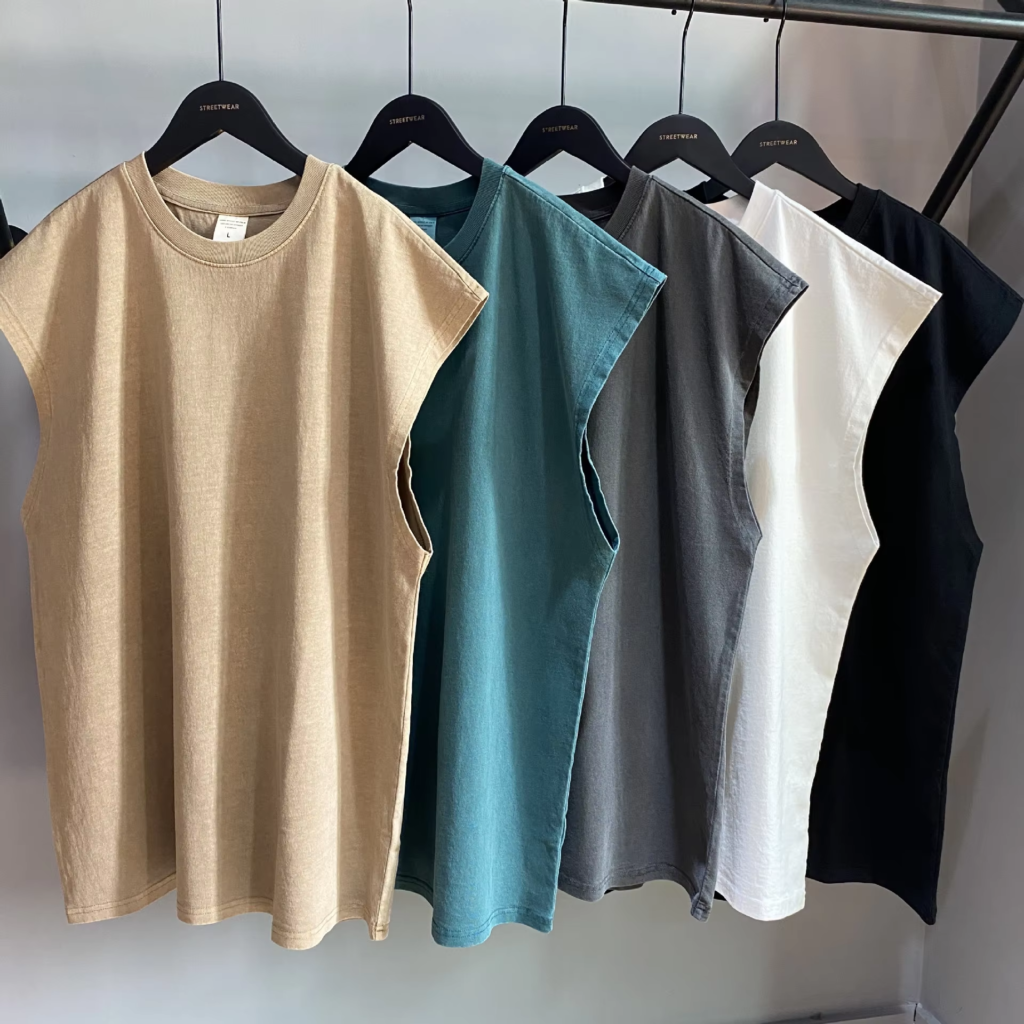
Step 2: Master the Basics of OEM Custom Tank Tops
Understanding the fundamentals of OEM will help you communicate effectively with manufacturers and avoid misunderstandings. Unlike ODM (Original Design Manufacturing), where the manufacturer provides pre-designed products you can brand, OEM lets you create a fully custom product from scratch—you control every detail, from fabric and fit to trims and finishes.
Key OEM Term to Know: MOQ (Minimum Order Quantity). Most OEM manufacturers require a minimum number of units per order (typically 50–500 units for start-ups). This is important to factor into your budget and inventory planning.
For custom tank tops, the main components you’ll customize include:
- Fabric: The most critical choice—affects comfort, durability, and price. Popular options for tank tops include:
- Cotton (organic, combed, ring-spun): Soft, breathable, and versatile—ideal for casual or lifestyle brands.
- Cotton-Blend (cotton + polyester/spandex): Adds stretch or moisture-wicking properties—great for activewear.
- Linen: Lightweight, eco-friendly—perfect for summer or bohemian-inspired brands.
- Fit & Silhouette: Choose from classic fits (slim, regular, oversized) or on-trend styles (cropped, ribbed, muscle tank). Consider your target audience’s body type and style preferences—for example, oversized fits are popular in streetwear, while slim fits are favored for activewear.
- Trims & Finishes: These small details elevate your tank tops from basic to premium. Options include:
- Neckline (round, V-neck, scoop, racerback)
- Stitching (flatlock, coverstitch for durability and a clean look)
- Labels (woven, printed, or heat-transfer—with your brand logo and size info)
- Finishes (vintage wash, acid-wash, or garment dyeing for a unique look)
Step 3: Find the Right OEM Manufacturer (Your Make-or-Break Partner)
Choosing the right OEM manufacturer is the most important step in the process. A reliable partner will bring your vision to life, meet your quality standards, and stay within your budget. Here’s how to find and vet manufacturers:
- Start with Niche Research: Look for manufacturers that specialize in custom apparel—preferably those with experience making tank tops or similar products. Use platforms like Alibaba, Global Sources, or Thomasnet to find potential partners. You can also attend trade shows (like MAGIC in Las Vegas) to meet manufacturers in person.
- Vet for Quality & Reliability:
- Ask for samples: Request fabric swatches and sample tank tops (if possible) to test quality, fit, and finish.
- Check references: Ask the manufacturer for client testimonials or contact information of past start-up clients to learn about their experience.
- Verify certifications: If sustainability is a priority, ensure the manufacturer has certifications like GOTS (Global Organic Textile Standard) or OEKO-TEX.
- Communicate Your Needs Clearly: Provide the manufacturer with a detailed tech pack (more on this next) and ask for a quote that includes all costs: fabric, labor, trims, shipping, and taxes. Make sure to clarify lead times (how long production will take) and payment terms (most require a deposit upfront).
- Consider Location: Overseas manufacturers (China, Vietnam) often offer lower MOQs and prices, but longer lead times and higher shipping costs. Domestic manufacturers (US, EU) have shorter lead times and easier communication, but may be more expensive. Choose what works best for your budget and timeline.
Step 4: Create a Detailed Tech Pack (Avoid Miscommunication)
A tech pack is a comprehensive document that outlines every detail of your custom tank top—think of it as a blueprint for your manufacturer. It eliminates guesswork and ensures both you and the manufacturer are on the same page. Here’s what to include in your tech pack:
- Design Sketches/Technical Drawings: Use software like Adobe Illustrator or Canva to create front, back, and side views of your tank top. Include measurements (chest width, length, shoulder width) for each size (XS–XL or custom sizing).
- Fabric & Trim Specifications: List the fabric type, weight (e.g., 180g cotton), color (Pantone code for accuracy), and any trims (labels, stitching, buttons) with detailed descriptions.
- Print/Embroidery Details: If your tank top includes a logo or graphic, specify the placement (e.g., center chest, left sleeve), size, and printing method (screen print, DTG, embroidery). Include high-resolution files of your design.
- Sample Requirements: State whether you need a prototype (first sample) or pre-production sample (final sample before mass production) and any deadlines for these samples.
Pro Tip: If you’re not familiar with creating tech packs, use free templates from sites like Techpacker or hire a freelance fashion designer to help. A well-made tech pack will save you time, money, and headaches down the line.
Step 5: Approve Samples & Finalize Production
Once you’ve submitted your tech pack and received a quote, the manufacturer will create a sample for your approval. This is your chance to test every detail and make adjustments before mass production—don’t skip this step!
- Review the Sample Thoroughly: Check the fit (try it on a model or mannequin), fabric quality (feel, thickness, color), stitching (evenness, durability), and any prints/embroidery (accuracy, placement). Compare it to your tech pack to ensure everything matches.
- Request Revisions: If the sample isn’t perfect, provide clear, specific feedback to the manufacturer (e.g., “Make the neckline 1 inch wider” or “Adjust the fabric color to Pantone 18-1664”). Most manufacturers will offer 1–2 rounds of revisions for free or at a small cost.
- Approve the Pre-Production Sample: Once you’re happy with the sample, sign off on the pre-production sample. This locks in the design and gives the manufacturer the green light to start mass production.
- Finalize Payment & Shipping: Pay the remaining balance (per the manufacturer’s payment terms) and confirm shipping details (method, destination, tracking). Make sure to factor in shipping time when planning your launch date.
Step 6: Plan Your Launch & Market Your Custom Tank Tops
With production underway, it’s time to start marketing your custom tank top drop to build excitement and drive sales. Here are some strategies tailored to start-up brands:
- Leverage Social Media: Use Instagram, TikTok, and Pinterest to share behind-the-scenes content (sample unboxings, design process reels), teaser photos of the tank tops, and user-generated content (if you have a pre-launch waitlist). Collaborate with micro-influencers in your niche to reach a wider audience—they’re more affordable than major influencers and have highly engaged followers.
- Create a Pre-Launch Waitlist: Offer early access or a small discount (10–15% off) to customers who sign up for your waitlist. This helps you gauge demand and build a loyal customer base before launch.
- Tell Your Brand Story: Customers buy from brands they connect with. Share the story behind your custom tank top line—why you designed it, the materials you chose, and how it aligns with your brand values. Use your website, blog, and social media to tell this story authentically.
- Offer Limited Editions: Create a sense of urgency by launching a limited-edition run of your custom tank tops (e.g., “Only 200 units available”). This encourages customers to buy now rather than wait.
Step 7: Post-Launch: Gather Feedback & Scale
After your launch, the work isn’t over—gathering feedback is key to improving future drops and scaling your brand.
- Follow Up with Customers: Send a post-purchase email asking customers to share their thoughts on the tank tops (fit, quality, design). Offer a small incentive (like a discount on their next purchase) for leaving a review.
- Analyze Sales Data: Look at which sizes, colors, or designs sold the best. This data will help you make informed decisions for your next drop (e.g., reorder top-selling styles or discontinue slow-moving ones).
- Build Relationships with Your Manufacturer: A good relationship with your OEM manufacturer can lead to better pricing, faster lead times, and priority service as your brand grows. Keep them updated on your future plans and feedback from customers.
Common Pitfalls to Avoid for Start-Up Brands
Launching an OEM custom tank top line is exciting, but there are common mistakes that can derail your success. Here’s how to avoid them:
Underestimating Costs: Don’t forget to factor in hidden costs like shipping, taxes, sample fees, and revisions. Build a buffer into your budget to avoid cash flow issues.