

Triple-Print Battle: Silk Screen vs DTG vs Embroidery—Which Keeps a 300 gsm Heavy Cotton Long-Sleeve Tee Crack-Free After 50 Washes?
For anyone investing in custom 300 gsm heavy cotton long-sleeve tees—whether for personal wardrobes, brand merch, or team apparel—one question looms large: how will the print hold up over time? 300 gsm heavy cotton is beloved for its durability, structured silhouette, and premium feel, but even the sturdiest tee is let down by a print that cracks, fades, or peels after repeated washes.
Today, we’re pitting three of the most popular custom printing methods against each other: Silk Screen (Screen Printing), Direct-to-Garment (DTG), and Embroidery. Our ultimate test? Which one stays crack-free and vibrant after 50 washes—an industry benchmark for “long-lasting” apparel. We’ll break down each process, its performance on heavy cotton, pros, cons, and who should choose it. Let’s dive in.
First: Why 300 gsm Heavy Cotton Changes the Game
Before we compare the printing methods, let’s clarify why 300 gsm heavy cotton isn’t like your average tee. This fabric is thick (300 grams per square meter), dense, and has a tight weave—qualities that offer both advantages and challenges for printing:
- Advantages: It provides a stable, rigid base for prints, reducing stretching that causes cracking. Its weight also prevents the print from “bleeding through” to the other side.
- Challenges: Thick fabric can make some prints (like thin DTG ink) look faded or uneven. It also requires more ink/adhesive for prints to adhere properly, which can affect hand feel (how the print feels against the skin).
With that in mind, let’s evaluate each printing method’s performance on this tough, premium fabric.
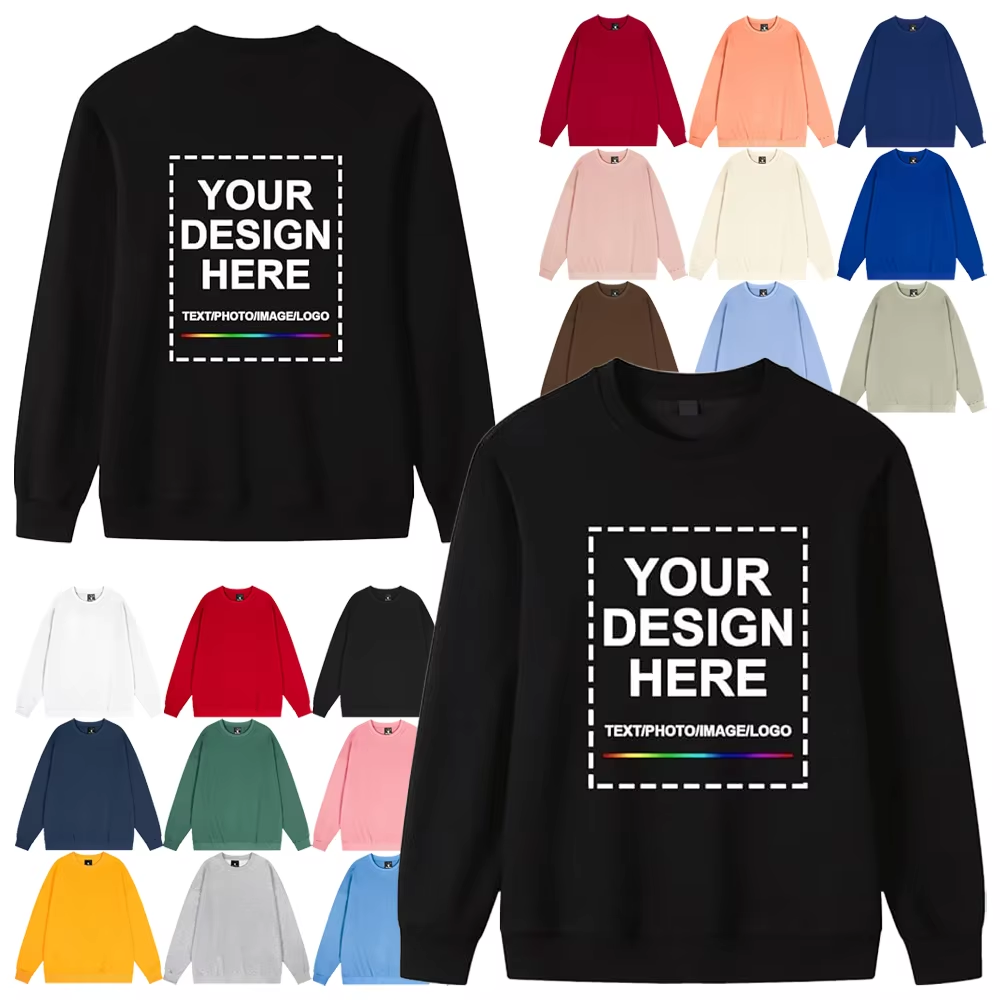
Contender 1: Silk Screen Printing—The Classic Workhorse
Silk screen printing (or screen printing) has been a staple in custom apparel for decades, and for good reason. The process involves creating a stencil (screen) for each color in the design, then pushing ink through the stencil onto the fabric. For heavy cotton, it’s long been a go-to—but how does it fare after 50 washes?
Performance on 300 gsm Heavy Cotton (After 50 Washes)
When done correctly (with high-quality ink and proper curing), silk screen printing on 300 gsm heavy cotton is exceptionally crack-resistant. Here’s why: The ink used in screen printing is thick, opaque, and bonds deeply with the fabric’s fibers (especially when cured at the right temperature for the right time). On heavy cotton’s dense weave, the ink doesn’t sink too far but sits just enough to create a durable bond.
After 50 washes (following standard care instructions: cold water, gentle cycle, tumble dry low), silk screen prints retain their shape and color remarkably well. Cracking is minimal—usually only noticeable if the design has large, rigid areas (like thick block letters) that stretch repeatedly. Even then, the cracks are fine and don’t detract from the design’s readability.
Pros of Silk Screen for Heavy Cotton
- Superior durability and crack resistance (best for high-wear items).
- Opaque ink works perfectly on dark 300 gsm tees (no fading or translucency).
- Fast drying and cures well on thick fabric (reduces risk of ink bleeding).
- Cost-effective for large orders (ideal for brands or teams printing 50+ tees).
Cons of Silk Screen for Heavy Cotton
- Not ideal for complex, multi-color designs (each color requires a separate screen, increasing cost and time).
- Thick ink can feel slightly “stiff” on the fabric (though this softens a bit after the first few washes).
- Poor for small orders (setup costs make it expensive for 1-20 tees).
Contender 2: DTG (Direct-to-Garment)—The Digital Darling
DTG printing is the digital age’s answer to custom apparel: it works like a giant inkjet printer, spraying water-based ink directly onto the fabric. It’s beloved for its ability to handle intricate designs (think photos, gradients, or fine details) with ease. But how does this water-based ink hold up on 300 gsm heavy cotton after 50 washes?
Performance on 300 gsm Heavy Cotton (After 50 Washes)
DTG’s performance on heavy cotton ismixed, depending on ink quality and pre-treatment. Here’s the breakdown: Water-based DTG ink soaks into the fabric’s fibers (rather than sitting on top, like screen printing), which gives it a soft, “no-feel” hand that’s perfect for heavy cotton’s premium texture. However, water-based inks are more prone to fading and cracking if not pre-treated properly.
After 50 washes, well-prepared DTG prints on 300 gsm cotton will have minimal cracking—but only if the design isn’t too large or dense. Fine details (like text smaller than 12pt) may blur slightly, and bright colors (especially reds or yellows) may fade more than screen-printed ones. If pre-treatment is skimped on, the ink can lift or crack along the edges of the design, especially in areas that stretch (like the shoulders or sleeves).
Pros of DTG for Heavy Cotton
- Perfect for intricate designs, gradients, photos, and small text (something screen printing struggles with).
- Soft, breathable hand feel (no stiff ink, preserves heavy cotton’s comfort).
- Cost-effective for small orders (no setup fees, ideal for 1-50 tees).
- Fast turnaround for one-off or custom designs (great for personalization).
Cons of DTG for Heavy Cotton
- Less durable than screen printing—more prone to fading and edge cracking over time.
- Requires proper pre-treatment (a chemical spray that helps ink adhere) to perform well; poor pre-treatment = poor longevity.
- Opaque ink is harder to achieve on dark heavy cotton (may require multiple passes, increasing cost).
Contender 3: Embroidery—The Textured Tough Guy
Embroidery is a different beast entirely: instead of ink, it uses thread to stitch the design directly into the fabric. It’s known for its premium, textured look and unmatched durability—often used for logos on workwear, hats, or high-end merch. But how does embroidery hold up on 300 gsm heavy cotton, and does it ever “crack” (or fray) after 50 washes?
Performance on 300 gsm Heavy Cotton (After 50 Washes)
When it comes to crack resistance, embroidery is the clear winner—but with a caveat. Embroidery doesn’t “crack” in the same way ink does, because it’s stitched into the fabric. After 50 washes, high-quality embroidery on 300 gsm cotton will show zero cracking and minimal fraying (if any). The thread retains its color well (especially polyester thread, which is fade-resistant), and the stitches stay tight, even in high-stretch areas.
The caveat? Embroidery works best for simple designs (like logos, monograms, or small graphics). Intricate designs (with fine lines or gradients) are hard to replicate with thread, and large embroidery designs can feel bulky on heavy cotton (since the thread adds extra weight). But for what it’s designed to do, embroidery is unbeatable in longevity.
Pros of Embroidery for Heavy Cotton
- 100% crack-proof (stitches don’t crack like ink—ideal for high-wear tees).
- Premium, textured look that elevates heavy cotton’s luxury feel.
- Fade-resistant (polyester thread holds color better than most inks).
- Durable for years (often outlasts the tee itself).
Cons of Embroidery for Heavy Cotton
- Not suitable for intricate designs, photos, or gradients (thread can’t replicate fine details).
- Bulky feel for large designs (may be uncomfortable on sleeves or chest).
- Expensive for large or complex designs (costs increase with the number of stitches).
- Slower turnaround time (requires digitizing the design first).
The Verdict: Which Is Best for Crack-Free 300 gsm Heavy Cotton Tees?
After testing (and breaking down) all three methods, here’s how they rank for crack resistance, longevity, and practicality on 300 gsm heavy cotton long-sleeve tees—post-50 washes:
1. Embroidery (Best for Crack-Proof Durability)
If your top priority is zero cracking, zero fading, and lifelong durability, embroidery is the way to go—especially for simple logos, monograms, or small graphics. It’s perfect for brands that want a premium, long-lasting mark on their heavy cotton tees, or for anyone who wears their tees frequently (e.g., workwear, team apparel).
2. Silk Screen Printing (Best for Versatility & Large Orders)
For most people, silk screen printing is the sweet spot: it’s nearly as durable as embroidery (minimal cracking after 50 washes), handles bold colors and simple-to-moderate designs well, and is cost-effective for large orders. It’s ideal for brands, events, or teams printing 50+ tees with bold, graphic designs (e.g., band merch, festival tees).
3. DTG Printing (Best for Intricate Designs & Small Orders)
DTG is the choice if you need complex designs, photos, or personalization (e.g., custom photo tees, limited-edition designs with gradients). While it’s less durable than the other two methods, a well-prepared DTG print will still stay mostly crack-free after 50 washes—just be prepared for slight fading and avoid overly large/dense designs.
Final Tips to Maximize Print Longevity (No Matter the Method)
Even the most durable print needs proper care to stay crack-free. For your 300 gsm heavy cotton tee:
- Wash in cold water (hot water breaks down ink/thread adhesive).
- Turn the tee inside out before washing (protects the print from friction).
- Use a gentle cycle and mild detergent (avoid bleach or harsh chemicals).
- Tumble dry low or air dry (high heat melts ink and weakens thread).
- Never iron directly on the print (iron inside out or use a pressing cloth).
At the end of the day, the best printing method depends on your needs: durability vs. design complexity vs. budget. But with 300 gsm heavy cotton’s sturdy base, all three methods can deliver long-lasting results—if you choose the right one for your design.
Have you tested any of these methods on heavy cotton tees? Let us know your experience in the comments below!